Google Ads vs Meta Ads vs SEO: choosing channels when every client counts
By John Kiama · 7 min read · Last updated
Ask an SEO agency whether you need Google Ads, Meta Ads or SEO for your service business and the answer is SEO. Ask a PPC agency and it is ads. Everyone is selling you their own department.
This comparison has no horse in the race: the right channel comes from your economics, your market and your urgency, not from anyone’s service list.
By the end you will have:
- An honest profile of each channel: costs, timelines, strengths, failure modes.
- A side-by-side comparison table.
- The channel fit test: four questions that pick your starting channel.
First, the split that decides everything: capture vs create
Every marketing channel does one of two jobs.
- Demand capture reaches people already looking: they search “emergency plumber Adelaide” and someone wins that job today.
- Demand creation reaches people who fit your client profile but are not looking yet: the homeowner who has not thought about solar until your ad makes the maths interesting.
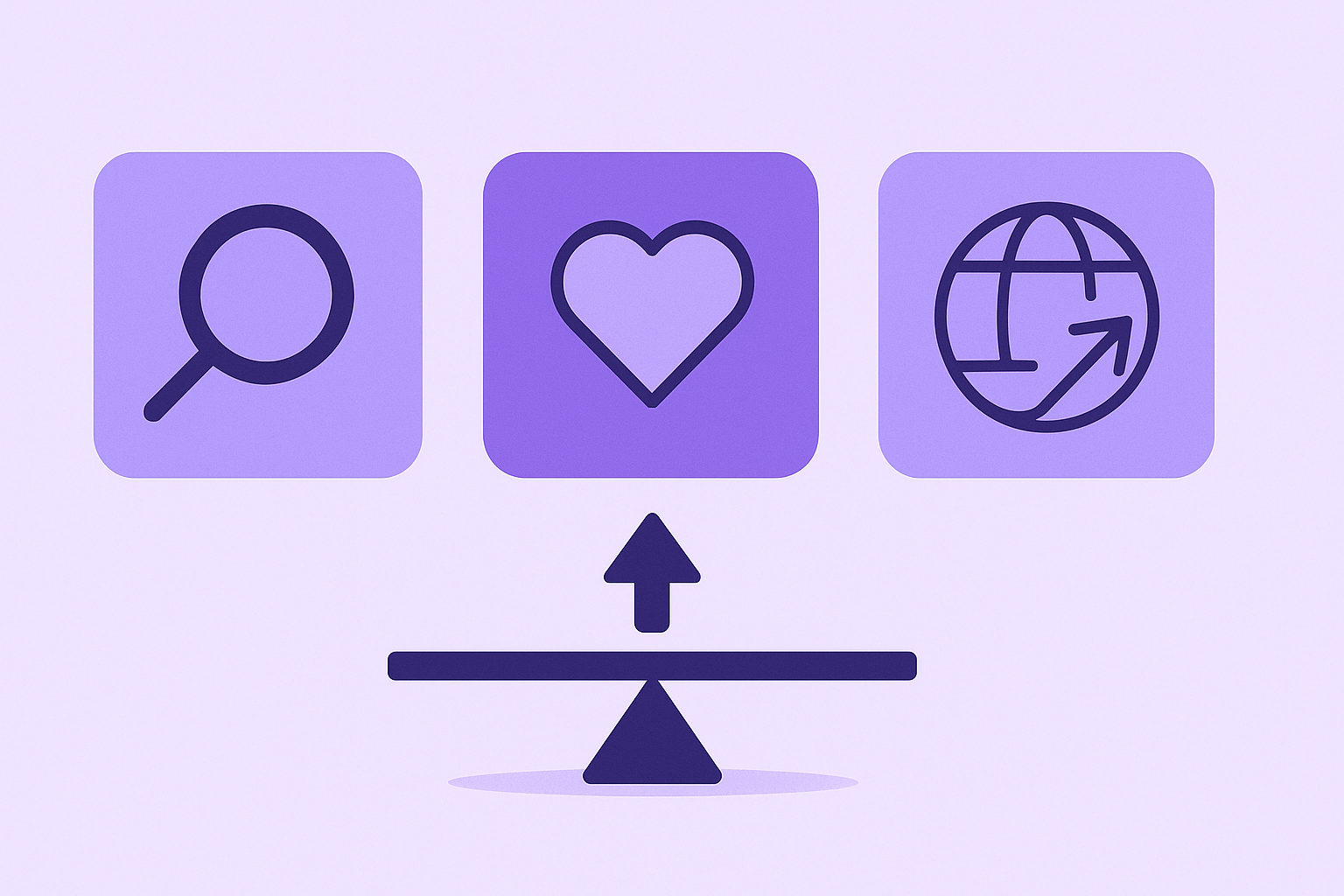
Google Search and SEO are mostly capture. Meta is mostly creation. Which job you need done first depends on whether people already search for what you sell, which is why this question opens the fit test below.
Google Ads: buying intent, at a price
Google Ads puts you in front of someone at the exact moment they search. Highest intent money can buy, and priced accordingly. LocaliQ’s 2026 benchmarks put the average search CPC at $5.42 USD, with legal at $9.87 and home improvement at $8.33.
- Strengths: immediate traffic, precise intent, measurable to the dollar, scales with budget.
- Weaknesses: costs rise with competition, stops the moment you stop paying, and a weak landing page burns budget invisibly.
- Timeline: leads in days; efficient after 2 to 3 months of data and optimisation.
- Best fit: services people actively search for, where you can answer what a lead should cost you and win at that number.
Meta Ads: reach and demand creation
Meta (Facebook and Instagram) reaches people by who they are, not what they typed. Cheaper leads on paper: LocaliQ puts the average Facebook lead at $27.66 USD against $66.69 for search.
The catch is intent. A Meta lead saw your ad between family photos. They were not looking, so they qualify and close at lower rates, and follow-up quality decides everything.
- Strengths: huge reach, strong for visual services and offers, retargeting, builds an audience for the 95% who are not buying yet.
- Weaknesses: creative fatigues fast and needs constant renewal, lower lead intent, weaker for urgent needs.
- Timeline: leads in days; creative testing cycles run continuously.
- Best fit: considered services with strong visuals or offers, and businesses with the follow-up systems to nurture lower-intent enquiries.
SEO: the compounding asset with a waiting period
SEO earns you the clicks that ads rent. Done properly it compounds: the page that ranks this year ranks next year at no extra media cost.
Two honest caveats. It is slow: meaningful movement typically takes 4 to 6 months and competitive terms take longer. And the search results page itself is changing: Semrush tracked AI Overviews growing from 6.5% of queries in January 2025 to a mid-year peak near 25%, answering more questions before any website link.
That is not a reason to skip SEO. It is a reason to do it the modern way, where classic rankings and AI answer visibility are built together.
- Strengths: compounding returns, credibility of ranking organically, feeds AI answers, durable.
- Weaknesses: slow to start, needs ongoing content and technical work, never fully guaranteed.
- Timeline: first movement 4 to 6 months; strong positions 12 months plus. Plan accordingly.
- Best fit: businesses with 12-month horizons that want falling acquisition costs, in markets with real search volume.
Side by side
| Google Ads | Meta Ads | SEO | |
|---|---|---|---|
| Job | Capture demand | Create demand | Capture demand |
| Time to first lead | Days | Days | 4 to 6 months |
| Lead intent | High | Low to medium | High |
| Typical lead cost | Higher (avg $66.69 USD search) | Lower (avg $27.66 USD) | Falls over time |
| When you stop paying | Leads stop | Leads stop | Keeps producing |
| Main failure mode | Weak landing page | Creative fatigue, weak follow-up | Impatience |
Your decision cycle changes the answer
How long and how carefully people decide shapes which channel earns its keep:
- Emergency and urgent trades (burst pipe, broken hot water): pure capture. Google Ads and local SEO win; nobody browses Instagram for an emergency plumber.
- Considered health and aesthetics (cosmetic dentistry, surgery): months of research. Meta creates the desire, SEO and content answer the research questions, Google Ads captures the decision moment.
- Education and enrolments: seasonal and long-cycle. Demand creation early in the cycle, capture heavily around intake windows.
Map your own buyers first. If you have not read how people choose a $10,000 service, start there; the journey decides the mix.
The real answer is a sequenced mix
Single-channel businesses are fragile. One algorithm change, one aggressive competitor, one policy update, and the pipeline stalls. The question is not which channel, but which channel first. Typical sequences by monthly budget:
| Monthly budget (media) | Start with | Add next |
|---|---|---|
| Under $3,000 | One capture channel done properly: Google Ads or local SEO | Retargeting once traffic exists |
| $3,000 to $10,000 | Google Ads + SEO foundations | Meta for creation and retargeting |
| Over $10,000 | Capture fully funded across Google + SEO | Meta creation, YouTube, and nurture for the 95% |
The pattern: fund capture until it is efficient at target CPL, then buy future demand. Skipping to creation before capture is funded leaves today’s buyers to competitors.
Do this before you move on:
- Check real search volume for your services in your city with a keyword tool. If volume exists, capture comes first.
- Open Meta Ad Library and Google’s ads transparency, and look up your three biggest competitors. Where they spend consistently is where the economics probably work.
The channel fit test
Four questions, in order. Your answers pick the starting channel:
- Do people already search for what you sell? Yes: capture first (Google Ads now, SEO building behind it). No or rarely: creation first (Meta).
- How urgent is the need? Same-week decisions: search dominates. Months-long decisions: add creation and nurture early.
- What can you afford per lead? Run the target CPL calculation. If search CPLs in your category exceed your target, fix conversion first or start where leads are cheaper and nurture harder.
- Can your sales process handle lower-intent leads? Meta leads need fast, persistent follow-up. If leads already leak, fix that before buying more of them.
Answer all four and the mix usually picks itself. When two channels tie, choose the one whose failure mode you are best equipped to manage.
FAQ
How much budget do I need to start Google Ads?
Enough to buy roughly 100 clicks a month in your category, which is what it takes to learn anything. At an $8 CPC that is $800 a month minimum, and $2,000 or more moves you from learning to earning in most high-value categories.
How long before SEO pays for itself?
Typically 6 to 12 months to recover the monthly investment in lead value, faster in weak markets and slower in brutal ones. The honest framing: SEO is buying next year’s leads at a discount, not this month’s.
Can Meta Ads work for expensive services?
Yes, when two conditions hold: the service is visual or emotionally compelling enough to stop a scroll, and your follow-up can nurture someone who was not actively shopping. Clinics and renovators do well; emergency trades mostly do not.